From Ten Pounds to Trail-Ready: The 12-Week Ruck Progression
Rucking’s simplicity hides its one programming rule: progress ONE variable at a time — weight or distance, never both in the same week. The 12-week ladder takes a beginner from ten pounds around the block to trail-ready, joints intact and posture improved.

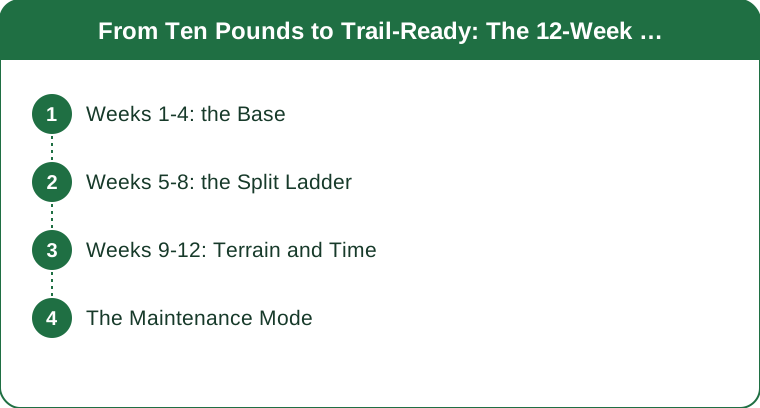
Weeks 1-4: the Base
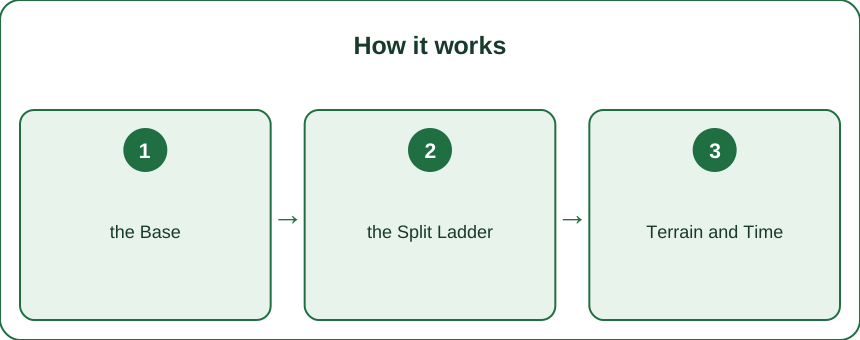
Ten percent of body weight, 2-3 rucks weekly, 20-30 minutes, flat routes. The goal is tissue tolerance and posture habits (tall, braced, pack high and snug) — boring by design; the shoulders and upper back adapt on this schedule, not yours.
Weeks 5-8: the Split Ladder
Alternate the variables weekly: week five adds ten minutes (distance week), week six adds five pounds (weight week, distance back to base), and so on. The alternation is the injury insurance — every increase lands on a recovered system.

Weeks 9-12: Terrain and Time
Introduce hills (the ruck’s payoff terrain — the loaded climb is strength training with scenery) and one longer weekend ruck (60-plus minutes at comfortable load). By week twelve: 15-20% body weight on rolling terrain for an hour — trail-ready by any honest definition.
The Maintenance Mode
Post-ladder, rucking settles into life: two maintenance rucks weekly (the dog walk, upgraded), the weekend long one, and load adjusted by the day’s energy honesty. The signals ledger stays open: shoulder hotspots mean pack-fit checks; joint complaints mean a rung back down. The ladder is re-climbable forever.
One variable per week, hills after the base, the long ruck as graduation. Rucking rewards the patient ladder — and punishes the both-at-once enthusiasm with the exact overuse story every beginner forum retells.
Keep Reading
This article is for general informational and styling purposes only. Fit, sizing, and product availability may vary.