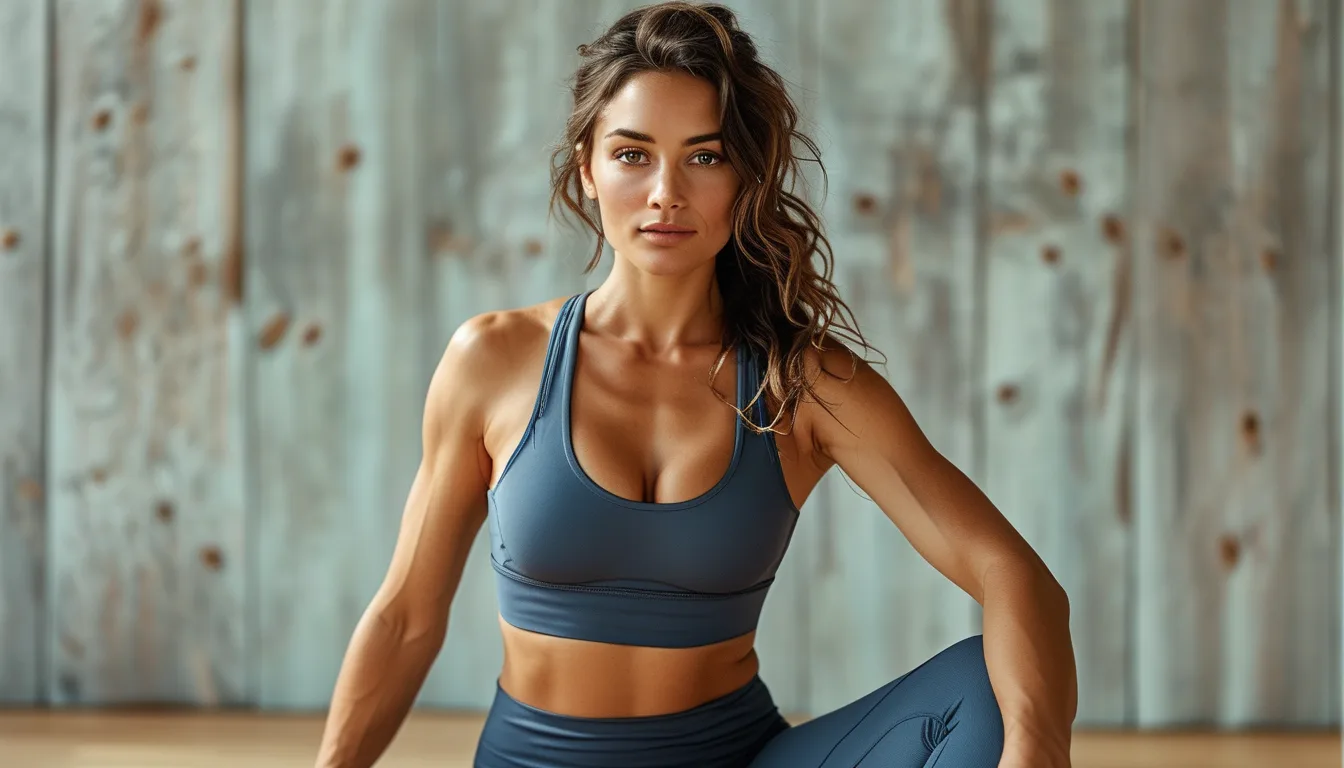
Rucking: Why Walking With a Backpack Is the Fitness Trend That Deserves It
Every few years a fitness trend arrives that is secretly ancient, and rucking is the current champion: walking with weight on your back — the thing humans did daily for most of history and militaries never stopped doing — rebranded and rediscovered. The appeal is its honesty: take the walk you already do, add a loaded backpack, and it quietly becomes strength training, cardio and posture work at once. No gym, no technique barrier, no excuses. Here is the beginner protocol.

Why Rucking Works (the Two-Birds Math)
Walking is the most sustainable exercise on earth with one limitation — it stops challenging you. Weight fixes that: a loaded pack raises walking’s calorie burn substantially (roughly toward jogging territory at moderate loads) while adding what plain walking never offers — real resistance training for your back, shoulders, core and legs, plus bone-density loading right where women need it. And unlike running, impact stays walking-gentle. Strength and cardio, one habit, zero gym: the math that made a military chore into a movement.
Starting Weight: Less Than Your Ego Suggests
The rule that prevents week-one regret: start with roughly 10% of body weight — for most women, 10–15 pounds — and build gradually toward 20–30 over months. The first ruck should feel surprisingly manageable; the cumulative effect shows up in the back half. Progression logic mirrors all training: increase weight or distance weekly, never both. And posture is the entire technique: stand tall, shoulders back, core braced — the pack should pull you upright, not fold you forward. If you are leaning like a question mark, the load is too heavy or riding too low.

Gear: the Sandbag-in-a-Bookbag Start
Entry costs nothing you do not own: any sturdy backpack plus weight wrapped in a towel (dumbbell plates, water bottles, bagged rice, actual books — the towel padding is the trick against back-poking). Wear it high and snug — hip belts and sternum straps if the pack has them. If the hobby sticks, purpose-built ruck packs with plate carriers ($100–200) sit tighter and comfier, and supportive walking or trail shoes matter more with load than without. But run the bookbag experiment for two weeks first; rucking is the rare trend whose free trial is the complete product.
The Week-One Plan (and Where It Goes)
Start: two or three rucks weekly, 20–30 minutes, flat routes, 10% body weight, brisk-but-conversational pace. Weeks two through four: stretch toward 45 minutes, add gentle hills (hills are where rucking’s leg-and-lung payoff compounds). From there the branches open: longer weekend rucks with podcasts or friends (rucking is inherently social — conversation pace is the design spec), weighted treadmill inclines when weather argues, or the trail versions where a loaded pack turns any hike into a training day. Many women fold rucks into the daily dog walk or school run — the disguise is perfect.
Who Should Ruck Carefully
The sensible caveats: anyone with existing back, hip or knee issues should clear loaded walking with a clinician first and start lighter than the 10% rule; new-postpartum women should follow their return-to-exercise timeline before adding load; and everyone should respect the shoulder-and-upper-back soreness of early weeks (normal adaptation — muscles waking to new employment) while treating joint pain as a stop signal, not a toughness test. Hydrate like it is a workout, because it is one — especially under summer sun, where early-morning rucks and the hat-and-SPF protocol apply doubly.
Rucking, distilled: your existing walk plus a weighted pack equals strength, cardio and posture training in one low-impact, zero-skill habit — starting at 10% body weight with a bookbag you already own. Load it tonight, ruck twenty minutes tomorrow, and feel the ancient math work. The trend will cycle, as trends do. The habit — humans carrying weight across distance — has never once gone out of function.
Keep Reading
This article is for general informational and styling purposes only. Fit, sizing, and product availability may vary.