Rucking Gear: The Pack, the Weight and the Boots-Versus-Shoes Question
Rucking’s gear list is one item long — a weighted pack — and getting that one item right decides whether the walk builds you or bruises you. The rucking gear guide: the pack craft, the weight options and the footwear ruling.

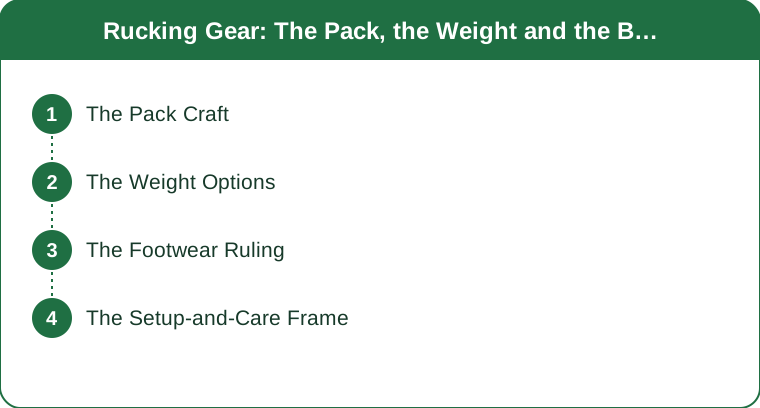
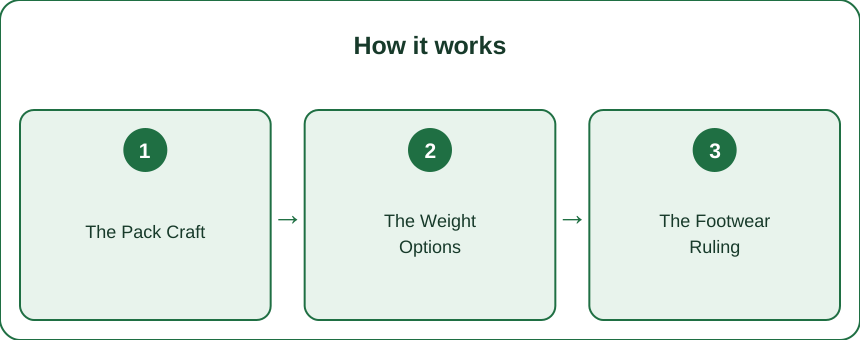
The Pack Craft
The one purchase that matters: the fit priorities (the pack riding HIGH and TIGHT — the weight against the upper back, not sagging at the lumbar; the sternum strap and hip belt that transfer load per the carry doctrine; the bouncing pack being the number-one comfort killer), the start-with-what-you-own truth (the sturdy daypack plus a towel-wrapped weight being the legitimate entry — the barrier kept at zero per the beginner doctrine; the dedicated pack earned by the habit), the dedicated-ruck features (the plate pockets that hold weight high-and-flat — the ruck-specific brands’ structured backs; the MOLLE-and-handle extras being nice-not-necessary), the sizing notes (the torso-length fit over the volume number — the women’s-specific and adjustable options; the try-weighted rule: the pack judged loaded, never empty per the fit doctrine), and the durability economics (the stitching-and-zipper quality under load — the buy-once tier from the gear doctrine; the used-market rucks from the fitness-castoff economy).
The Weight Options
What goes in the pack: the ruck-plate standard (the flat cast plates made for packs — the high-flat carry that nothing else matches; the 10-20-30 pound ladder; the worthwhile spend once committed), the budget alternatives ranked (the sandbag-or-pea-gravel wrapped tight — the moldable, quiet, cheap champion; the water bottles for adjustable-and-dumpable weight: the mid-walk lighten option; the dumbbell-wrapped-in-towel being workable-but-clunky; the books being the classic free start), the packing rules (the weight HIGH between shoulder blades — the towel padding that stops digging; the load cinched immobile: the shake-test before every walk), the progression restatement (the 10-percent-bodyweight start from the progression doctrine — the weight grown by the plan, not the ego), and the safety notes (the weight dumped if form collapses — the pack that can lighten being a feature; the shoulder-numbness and back-pain signals from the pain doctrine meaning stop-and-adjust).

The Footwear Ruling
Boots versus shoes: the shoes-first verdict (the cushioned trail-or-walking shoes serving most rucking — the boot myth from military aesthetics; the pavement-and-park rucker needing support-and-cushion, not ankle armor per the shoe doctrine), the boot exceptions (the rough-trail and heavy-load tiers — the 30-plus-pound loads and rocky terrain where boot structure earns its weight; the broken-in requirement doubled under load), the features that matter (the supportive midsole for the loaded miles — the wide toe box for the load-splayed foot; the heel security that stops blisters per the fit doctrine), the sock partnership (the wool-blend hiking socks from the blister doctrine — the loaded walking doubling friction stakes; the pre-walk lube for the prone), the transition note (the rucking mileage built gradually in ANY footwear — the loaded feet adapting on the tissue timeline per the barefoot doctrine’s patience), and the extras tier (the reflective bands for the roadside from the visibility doctrine, the water access from the hydration doctrine — the collapsible bottle in the side pocket; the phone-and-keys pouch that stops the jingle).
The Setup-and-Care Frame
The system maintained: the pre-walk ritual (the shake-test, the strap check, the weight verification — the ninety-second setup from the checklist doctrine), the post-walk care (the pack aired and the sweat-soaked straps wiped — the plate checked for shifting wear; the gear-care doctrine at ruck scale), the seasonal adjustments (the summer’s lighter loads in heat per the heat doctrine — the winter’s traction and layers from the winter doctrine; the pack cover for rain), the upgrade path (the daypack-and-books start, the plate at month two, the dedicated ruck at month six — the purchases following the habit per the earn-it doctrine), the budget summary (the complete entry costing nothing today — the committed setup under 150 dollars; the cost-per-mile approaching zero per the budget doctrine), and the closing reframe (the gear serving the walk, never starring in it — the rucking remaining walking-with-weight; the simplicity being the sport’s whole charm; the pack, dialed once, then forgotten on your back). High and tight, shoes over boots, books before plates: the gear, sorted in one afternoon.
One purchase matters: a pack that rides high and tight with the weight flat between your shoulder blades — start with a daypack and wrapped books, earn the plate later. Cushioned trail shoes beat boots for most rucking; boots only for rough trails and 30+ pound loads.
Keep Reading
This article is for general informational and styling purposes only. Fit, sizing, and product availability may vary.